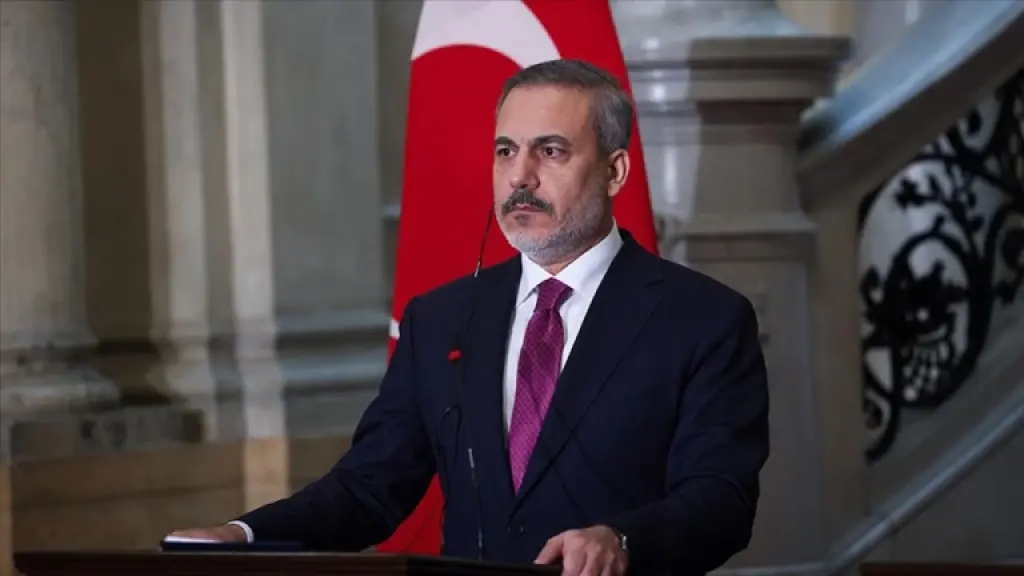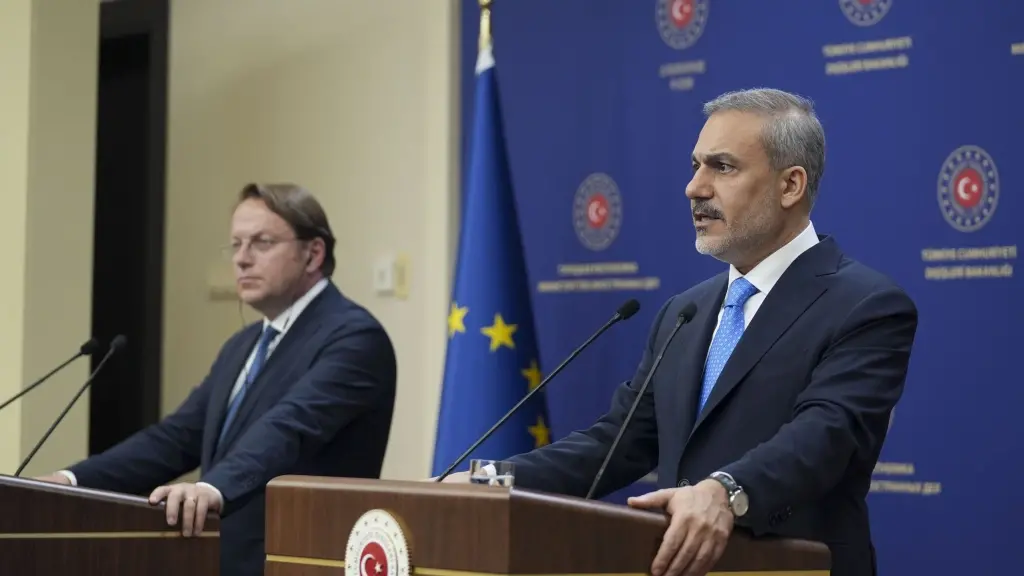
When Foreign Minister Hakan Fidan moved through Singapore, Jakarta, Seoul and Dhaka between 1 and 6 June, the sequence itself made a claim: that Türkiye's engagement with Asia is no longer a collection of bilateral files but a coherent strategic program.
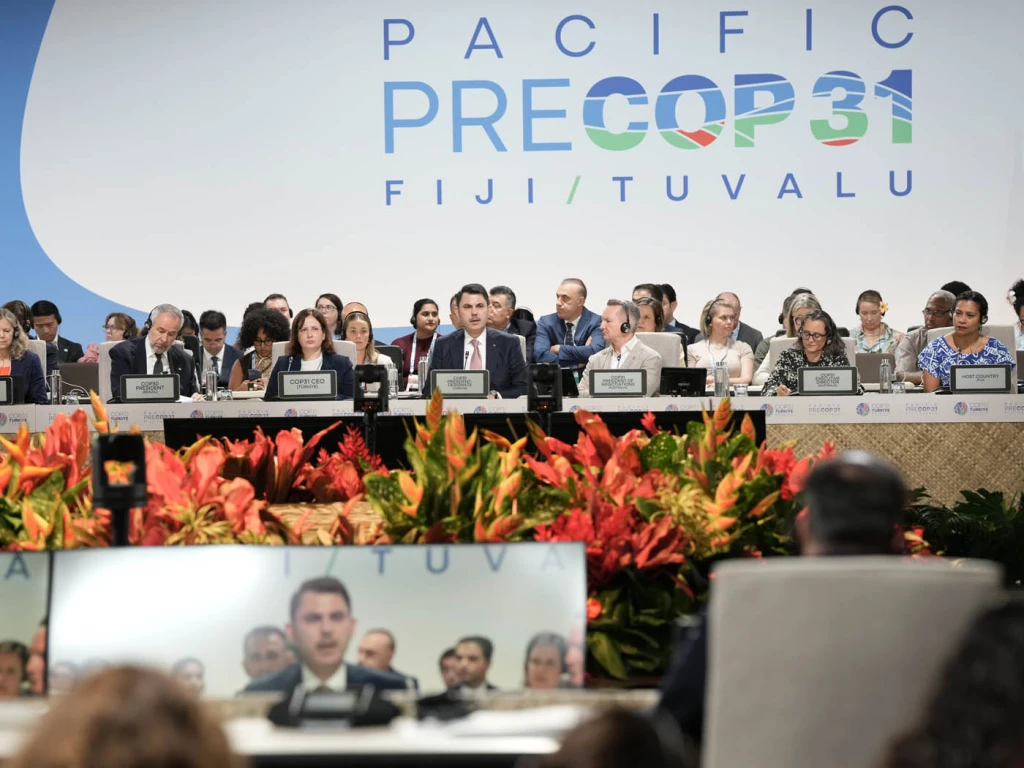
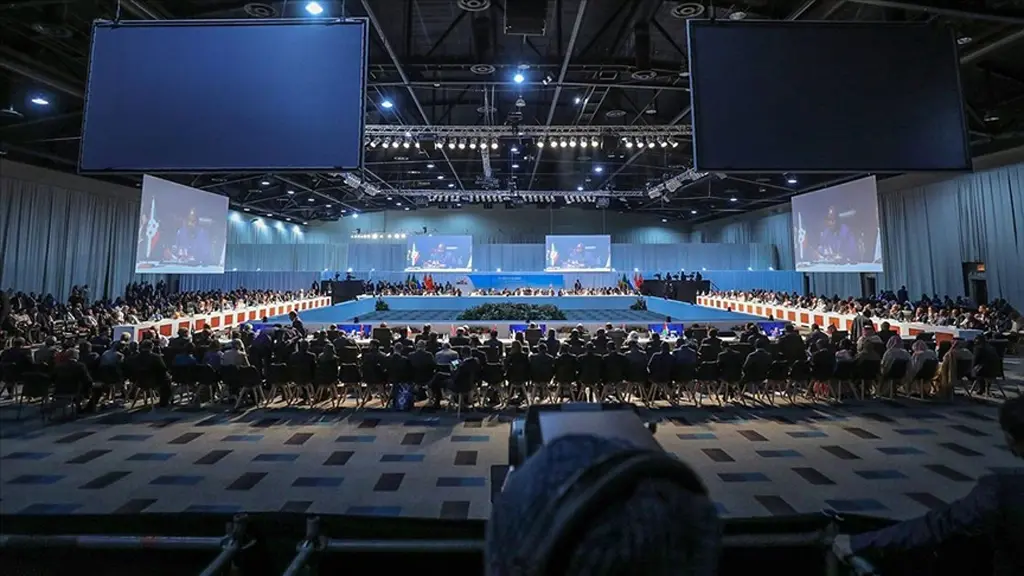
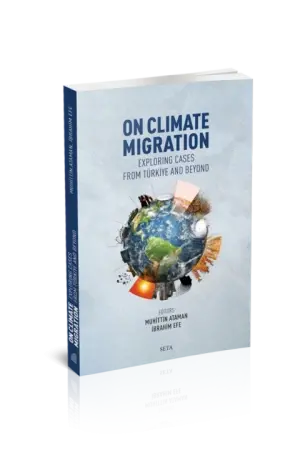
The approach that dominated the sessions followed throughout the forum was that commitments in the fight against climate change have already accumulated in abundance, while the real shortfall lies in turning those commitments into practice.
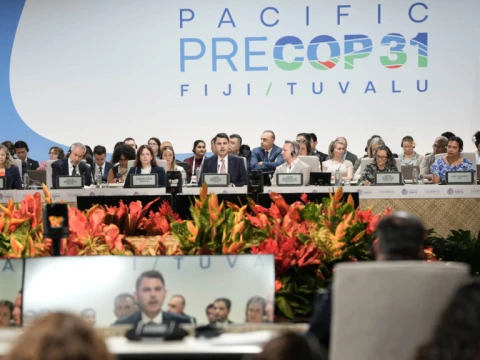
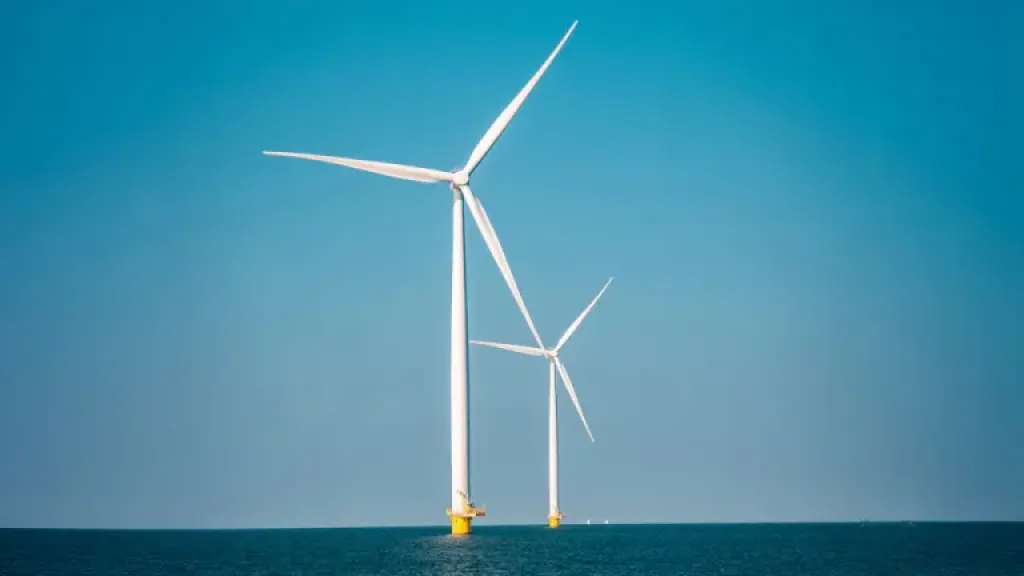
This analysis evaluates Türkiye's potential, through its COP31 Presidency, to support Africa's just transition process based on the continent's financing, technology, and capacity-building needs, within the framework of the opportunities offered by middle-power diplomacy.
What were the dominant themes on the agenda at COP30? Why was Australia not selected to host COP31? How did Türkiye emerge as the deal-maker in the COP31 hosting battle? How is Türkiye's rising climate profile taking shape?
The central question this paper addresses is what happens to the credibility of mediation when negotiations are actively undermined by one of the
parties that the process is trying to reconcile.
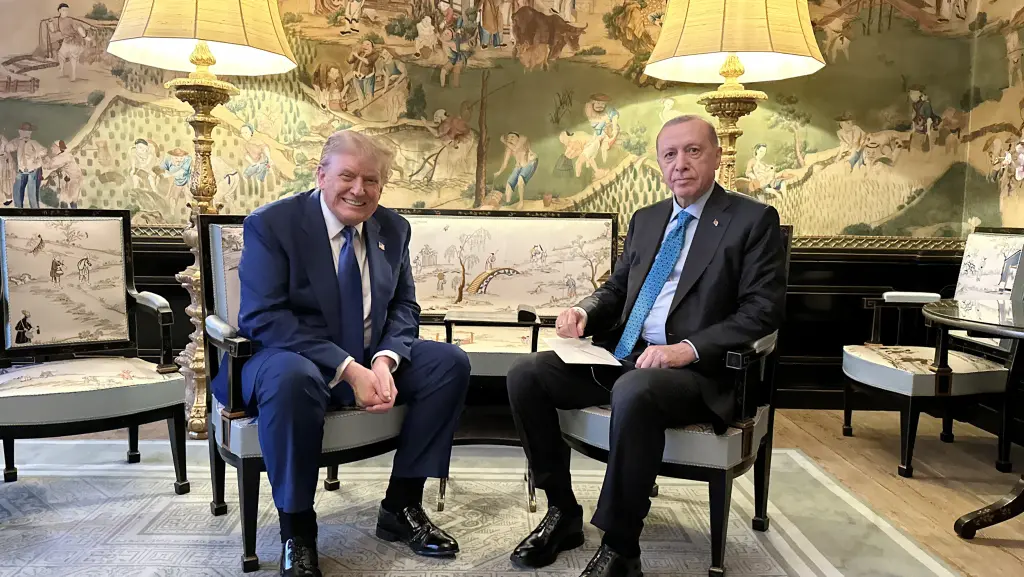
How are Turkish-American relations evolving during Trump 2.0? What agenda items could be covered during the Sept. 25 meeting? How will Erdoğan and Trump view the emerging global politics? How aware is Trump of the significance of U.S.' relations with Türkiye? How indispensable is the U.S. from Türkiye's point of view?
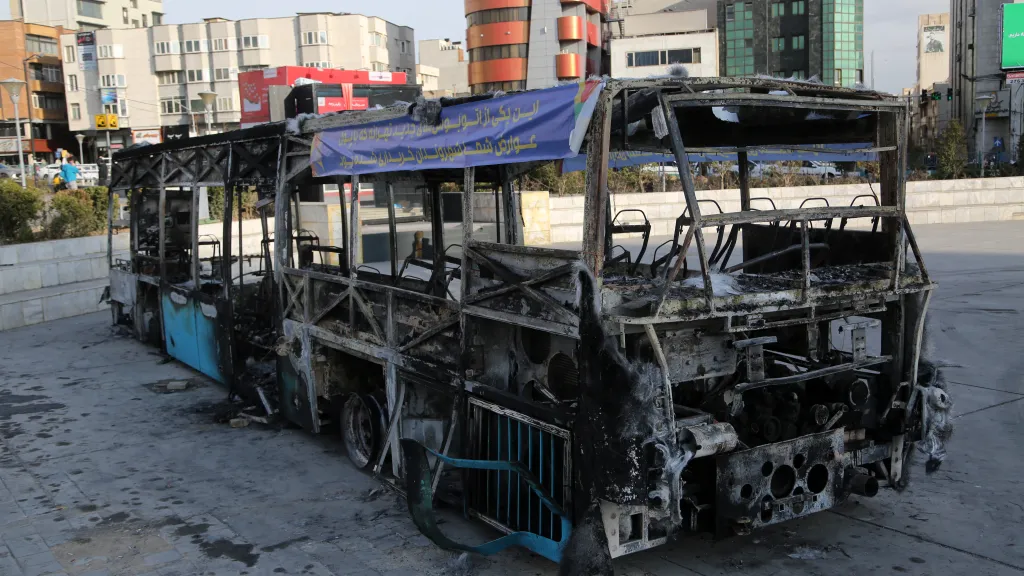
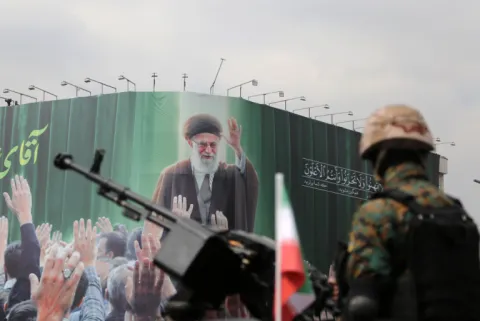
The protests that began on 28 December 2025 as a reaction to the worsening economic conditions in Iran gradually expanded, spreading beyond Tehran to other cities, most notably Isfahan, Mashhad, Kermanshah, Lorestan, Fars, and Karaj.
Speakers: Murat Yeşiltaş, Nebi Miş, Javlon Vakhabov, Ilkhom Khaydarov, Ufuk Ulutaş, Harun Türker Kara, Eldor Sobirjonovich Tulyakov, Kakadzhan Berdiev, Erman Akıllı, Khalilillo Saydakhmedovich Khamidov, Aben Dauren Abenuly, Hazel Çağan Elbir, Shukhrat Askarovich Tukhtabayev, Zukhra Khalimova, Kadir Temiz, Muhittin Ataman, Abylaev Timur Zamirbekovich, Murat Aslan, Yaşar Sarı
The Forum will translate expert insights and forecasts into actionable ideas and initiatives, thereby improving decision-making and enriching the practical substance of both bilateral and interregional agendas. The Forum's primary purpose is to discuss the current state, future prospects, and key priority areas of cooperation between the Central Asian states and Türkiye.